Top Fold
A Woman of SubstanceTop Fold is the Harte family’s home and the setting for some of Emma Harte’s most intimate early experiences of family duty and loss. Its cottage holds the routines of caring for her father and brother, but also the death of her mother, Elizabeth Harte; its path toward the moors becomes an escape route when grief makes home unbearable.
The Harte home
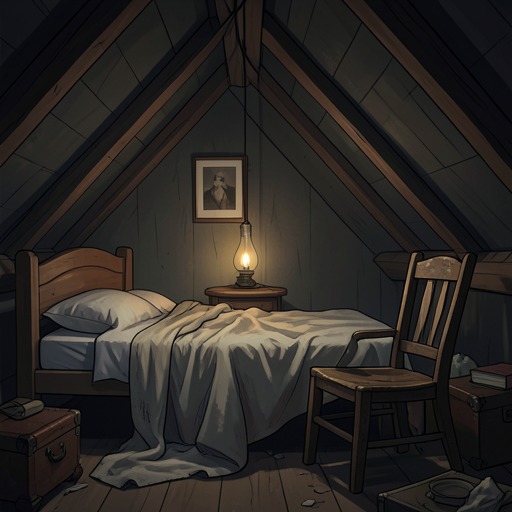
The family cottage stands in Top Fold. When Emma returns there in the late afternoon, she finds the kitchen gloomy and deserted, the fire gone out and cold ashes in the grate. The ordinary signs of household work and meals sit alongside an ominous silence: she removes her coat, looks around, then climbs the stone steps toward her mother’s room, increasingly alarmed.
The cottage is also a place of practical responsibility. When her work at Fairley Hall eases during the absences of Mrs Wainright and the Squire, Emma spends three days at home cleaning, washing, and cooking for Jack Harte and Frank Harte. Her domestic labor makes Top Fold more than a backdrop; it is the household she helps sustain while her father is distressed by Winston Harte’s sudden departure.
Bereavement and departure
In her mother’s room, Emma finds Jack Harte tending Elizabeth, gently wiping her face and stroking her hair. The scene’s tenderness gives way to loss: after Elizabeth dies, Jack invokes God’s will, and Emma rejects the idea that a just God could have allowed her mother to suffer and die. She runs out of the bedroom, down the stairs, and through the cottage’s front door.
From the window, Jack sees her running up Top Fold toward the moors. In the fading light, Ramsden Crags is visible beyond the settlement, and he imagines Elizabeth at the Top of the World. Top Fold thus marks the point at which the family’s private grief opens onto the landscape that has long offered Emma solace.
Home beside the moors
Emma’s departures from the cottage recur as moments of relief. On a Monday morning in August, still troubled by Jack’s distress over Winston, she closes the cottage door and heads toward the Top of the World. Leaving Top Fold allows her to exchange the pressures of family life for the open moorland, where she feels free and unfettered.
A ride with Blackie brings another, more ordinary return: after they recognize Russet Dawn, Edwin’s chestnut horse, Blackie helps Emma mount behind him, and they canter until the church spire comes into view and they pull up at Top Fold. The settlement is therefore both destination and point of departure. Its strongest narrative significance lies in that contrast: the cottage binds Emma to care and sorrow, while the route out of Top Fold leads toward the landscape in which she recovers a sense of freedom.